- 15+ YEARS OF EXPERIENCE
Attic Insulation Services in Austin, TX
Austin’s trusted attic insulation removal specialists. Schedule your service today and enjoy improved indoor air quality, enhanced energy efficiency, better insulation performance, and a cleaner, healthier home environment year-round.
- 1000+ Google Reviews
- Certified Technicians
- Same-Day Availability
- 15+ Years of Experience
Austin's Most Trusted Attic Removal Team — 15 Years in the Attics of Central Texas
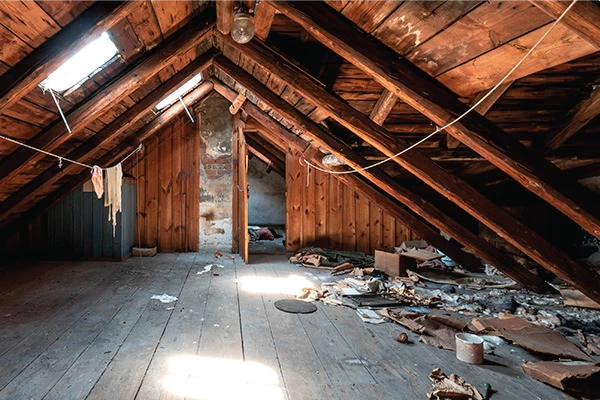
If you’ve never been in your attic — or if the last time you looked up there you saw a scene you’d rather forget — you’re not alone. Most Austin homeowners avoid their attics entirely. And for good reason. In a city where attics regularly hit 140°F in summer, where humidity breeds mold, where construction never stops, and where rodents find plenty of entry points in aging soffits and rooflines, the space above your ceiling is often the most neglected and contaminated part of your home.
At Supreme Air Austin, we’ve been climbing into Austin attics since 2010. We’ve removed insulation destroyed by raccoons in Tarrytown bungalows. We’ve cleaned out decades of compressed fiberglass in Hyde Park cottages. We’ve extracted water-soaked cellulose after roof leaks in Circle C Ranch. We’ve vacuumed construction debris from attics in Leander new builds where the builder never bothered to clean up before closing.
With 1000+ five-star Google reviews and 15+ years of hands-on experience in Austin homes, we have the equipment, the training, and the stomach for attic work that most homeowners — and many contractors — simply don’t. Every job includes proper containment, safe disposal, and documentation that your attic is actually clean before we leave.
Why Austin Homes Need Proper Attic Insulation
Austin is not a mild climate. It’s a place where your attic can reach 140°F in August and drop below freezing on the occasional January night. If your insulation isn’t up to the task, your living space pays the price.
Brutal Summer Heat Gain
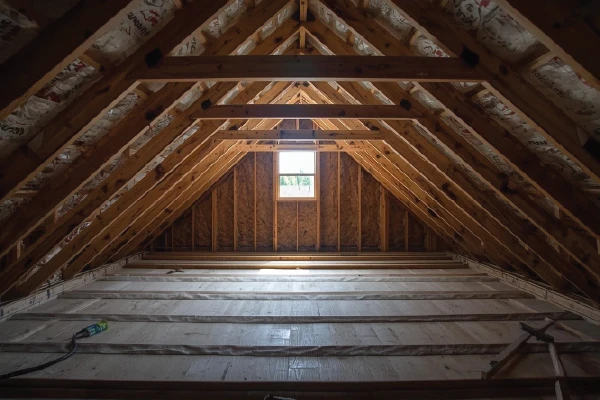
From May through October, Austin attics become ovens. Without adequate insulation and proper air sealing, that heat radiates downward through your ceiling, forcing your air conditioner to run longer and harder. In poorly insulated homes, the HVAC system is fighting a battle it can't win — cooling air that gets reheated before it even reaches the vents.
Inconsistent Heating in Winter
Austin winters are mild compared to the north, but they still bring freezing nights. Homes with inadequate attic insulation lose heat upward rapidly. The result is cold second floors, drafty rooms, and a heating system that cycles constantly without ever making the house feel truly warm.
Humidity and Moisture Issues
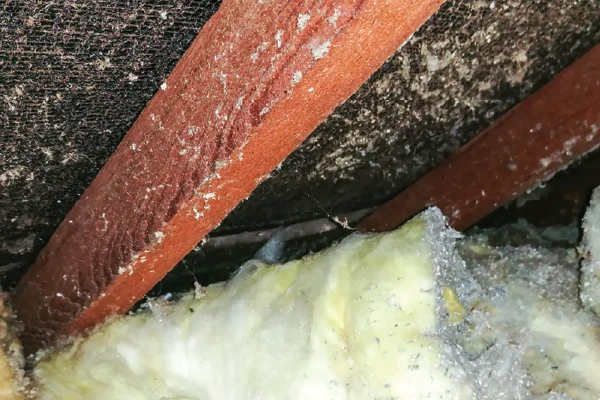
Austin's humidity doesn't just affect the air outside. Warm, moist air that escapes from living spaces into the attic can condense on cooler surfaces, leading to moisture buildup, mold risk, and degraded insulation performance over time. Proper insulation — paired with ventilation and air sealing — controls this migration.
Aging and Inadequate Existing Insulation
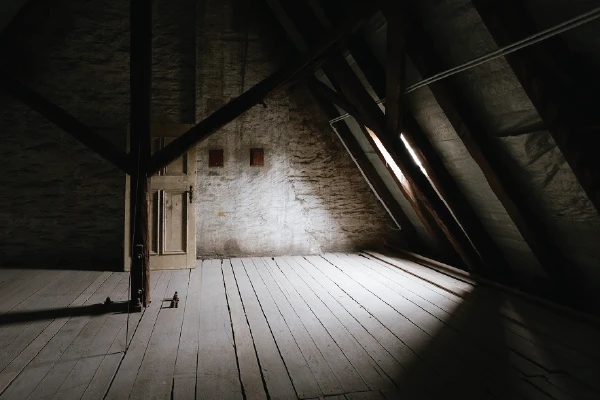
Many Austin homes, especially those built before the 1990s, have insulation that has settled, compressed, or degraded. Fiberglass batts lose effectiveness when compressed. Older cellulose may have settled into thin layers. And many homes simply never had enough insulation installed to begin with — particularly in neighborhoods with rapid 1970s and 1980s expansion.
New Construction Shortcuts
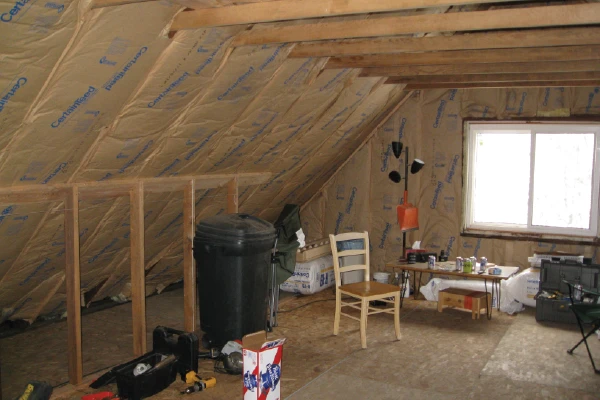
If you live in a newer Austin subdivision — Cedar Park, Leander, Buda, Kyle, or any of the fast-growing corridors — your builder likely installed the minimum code-required insulation. That minimum is rarely enough to deliver real comfort and efficiency in Austin's climate. Upgrading attic insulation in a new build is one of the smartest investments a homeowner can make.
Types of Attic Insulation We Install in Austin
There is no single “best” insulation for every home. The right choice depends on your attic structure, your budget, your existing insulation condition, and what you’re trying to solve. We install four primary types, and we recommend based on what your specific home needs — not what makes us the most money.
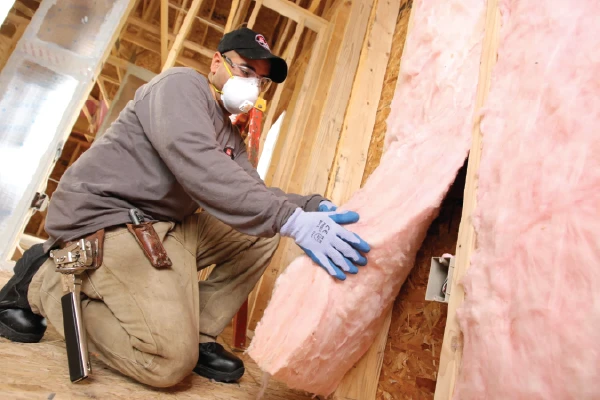
Fiberglass Batt Insulation
Fiberglass batts are the familiar pink or yellow rolls you see in most hardware stores. They offer a solid balance of performance, cost, and ease of installation.
Best for: New construction, attics with standard joist spacing, and homeowners seeking a reliable, affordable upgrade.
How we install it: We lay batts between joists for the base layer, then add a perpendicular second layer to eliminate thermal bridging through the framing. We never compress batts — compression destroys their R-value. We also air-seal penetrations, recessed lights, and top plates before laying insulation, because batts do not stop air movement.
R-value in Austin: We typically install to R-38 or R-49 in Austin attics, well above minimum code.
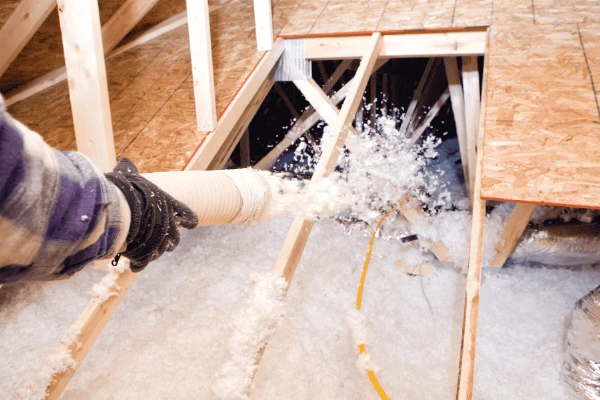
Blown-In Fiberglass Insulation
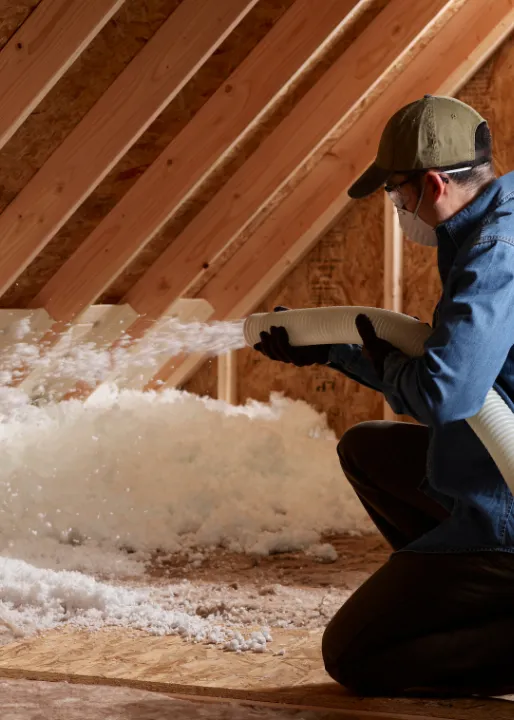
Loose-fill fiberglass is blown into the attic using specialized equipment. It fills irregular spaces, covers joists completely, and creates a seamless thermal blanket.
Best for: Attics with lots of obstructions, varying joist depths, or existing insulation that needs topping off.
How we install it: We set up commercial blowing equipment in your driveway or garage and run hoses into the attic. The material fills corners, covers ductwork, and creates consistent depth across the entire space. We mark depth indicators throughout so you can verify the coverage.
Advantage over batts: No gaps, no seams, no thermal bridging through joists. It simply covers everything.
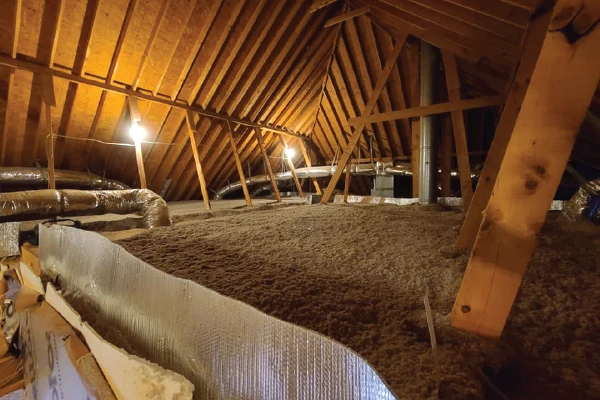
Blown-In Cellulose Insulation
Cellulose is made from recycled paper products treated with fire retardant and pest deterrent. It's the most environmentally friendly option and offers excellent air-blocking properties due to its density.
Best for: Homeowners who want eco-friendly materials, superior sound dampening, and better resistance to air movement than fiberglass.
How we install it: Similar to blown-in fiberglass, we use high-volume blowing equipment to achieve dense, even coverage. Cellulose settles slightly over time, so we account for that in our initial depth to ensure you end up at the target R-value.
Austin-specific note: Cellulose performs well in Austin’s climate and offers excellent noise reduction — a real benefit if you live near MoPac, I-35, or any of Austin’s increasingly busy corridors.
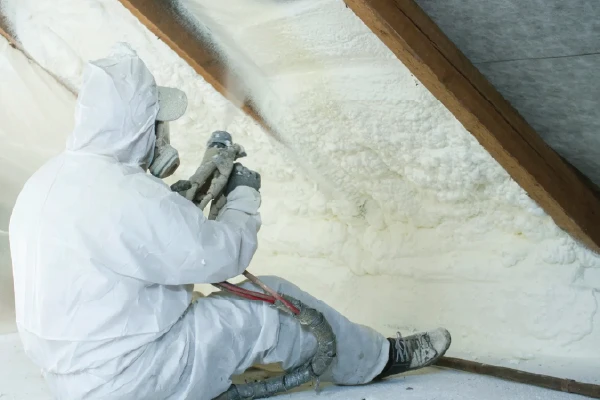
Spray Foam Insulation
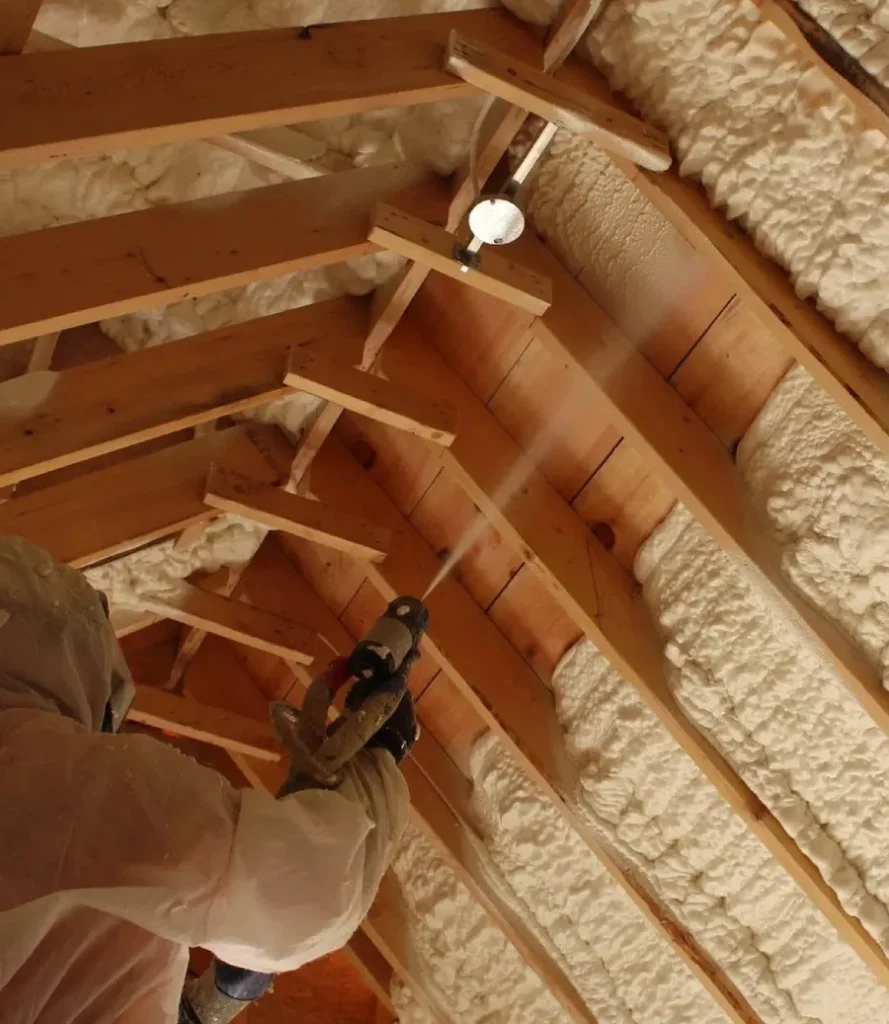
Spray polyurethane foam (SPF) is the premium option. It starts as a liquid and expands into a solid foam, creating both insulation and an airtight seal in one application.
Best for: Homes with significant air leakage, complex attic geometries, or homeowners who want the highest possible efficiency and comfort.
How we install it: We apply open-cell or closed-cell foam directly to the roof deck or attic floor, depending on whether we’re creating a conditioned attic or sealing a vented attic. Our technicians are trained and experienced in foam application.
The honest truth about foam: It’s the most effective insulation available, but it’s also the most expensive. We only recommend it when the home’s conditions justify the investment.
Need an estimate for your building size? Call (512) 277-9782 for transparent, upfront commercial pricing.
Our Attic Insulation Installation Process
Commercial jobs require different equipment, larger crews, and more logistical planning than residential work. Here’s how we approach every commercial project:
Attic Inspection and Assessment
We climb into your attic and document what we find. Current insulation type, depth, condition, signs of moisture, air leaks, ventilation status, and any ductwork issues. We take photos and show you exactly what we're looking at.
Air Sealing Before Insulating
Before adding insulation, we air seal attic gaps around lights, pipes, wiring, vents, and duct connections. This prevents conditioned air from escaping, improving energy efficiency, comfort, and overall insulation performance.
Ventilation Check and Recommendations
Attics need to breathe. We inspect soffit vents, ridge vents, gable vents, and any powered ventilation. If your attic is choking for airflow, we address it. Adding insulation without ensuring proper ventilation can trap moisture and create mold problems.
Insulation Installation
Based on your home and your goals, we install the insulation type and depth that delivers real results. We don't cut corners on coverage, we don't compress material, and we don't leave gaps around obstacles.
Attic Hatch and Access Sealing
The attic access door or pull-down stairs is often the leakiest surface in the entire ceiling. We insulate and weatherstrip the hatch so it doesn't become a chimney for conditioned air to escape.
Post-Installation Documentation
We take after photos showing insulation depth, coverage, and any improvements made. You see exactly what was done and why.
Need an estimate for your building size? Call (512) 277-9782 for transparent, upfront commercial pricing.
Signs Your Austin Home Needs New Attic Insulation
You don’t need to crawl into your attic to know something is wrong. Your home will tell you.
- Your upstairs is noticeably hotter than downstairs in summer. Heat radiating through an under-insulated ceiling makes second floors unbearable while the downstairs runs fine.
- Your energy bills spike every summer. If your electric bill doubles or triples from April to September and your usage hasn’t changed, your home is leaking cooled air faster than your system can replace it.
- Your HVAC runs constantly and never reaches the set temperature. This is often a sign that conditioned air is being lost through the ceiling as fast as the system produces it.
- You feel drafts or cold spots in winter. Even with the heat on, rooms feel chilly. Heat is rising and escaping through inadequate attic insulation.
- Your attic insulation looks thin, patchy, or degraded. If you can see the ceiling joists poking through the insulation, you don’t have enough. If the material is discolored, compressed, or wet, it needs replacement.
- Ice dams or frost on your roof in winter. Rare in Austin but possible during hard freezes. It indicates heat escaping through the attic and melting snow or frost at the roof deck.
- Your home was built before 1990 and never had an insulation upgrade. Building standards were lower, materials have degraded, and energy costs have risen dramatically. An upgrade is almost certainly overdue.
- You recently had pests in the attic. Rodents, raccoons, and squirrels destroy insulation by compressing it, nesting in it, and contaminating it. Damaged insulation needs removal and replacement.
How Attic Insulation Saves Money in Austin's Climate
The math is straightforward, even if most homeowners don’t think about it.
Summer Cooling Dominates Austin Energy Bills
In Austin, air conditioning accounts for 50–70% of annual electricity usage for most homes. The attic is the single largest source of heat gain in a house. On a 100°F August day, your attic can reach 140°F. Without proper insulation, that heat pushes downward through your ceiling all day long.
Upgrading from inadequate insulation (R-19 or less) to proper levels (R-38 to R-49) can reduce attic heat gain by 50% or more. That means your air conditioner runs less, cycles properly, and doesn’t struggle to maintain temperature.
Real Savings for Austin Homeowners
The U.S. Department of Energy and local utility estimates suggest that proper attic insulation can reduce heating and cooling costs by 15–25% for most homes. In Austin, where cooling dominates, the savings are heavily weighted toward summer — exactly when bills are highest.
For a typical Austin home spending $250–$400 per month on electricity in summer, a 20% reduction represents $50–$80 per month during peak months. Over a full year, savings of $400–$800 are realistic. Over the 20–30 year lifespan of quality insulation, the return on investment is substantial.
Reduced HVAC Wear and Tear
When your attic is properly insulated, your HVAC system doesn’t run as long or as hard. That means less wear on compressors, blowers, and electrical components. The money you save on energy is supplemented by longer equipment life and fewer repair calls.
Increased Home Value
Buyers in Austin are increasingly energy-conscious. A well-insulated attic with documented professional installation is a selling point. It signals that the home is efficient, comfortable, and properly maintained.
Attic Insulation Removal and Replacement
Sometimes you don’t just need more insulation — you need the old stuff gone first.
When Removal Is Necessary
- Contamination: Rodent droppings, urine, nesting material, or dead pests make insulation a health hazard. We remove contaminated material safely and sanitize the space before installing new insulation.
- Water damage: Roof leaks, plumbing leaks, or condensation damage render insulation ineffective and create mold risk. Wet insulation must be removed.
- Severe compression or degradation: Insulation that has been walked on, stored on, or compressed by decades of settling may not be salvageable.
- Smoke or fire damage: Even minor fires or heavy smoke exposure can saturate insulation with odor and particulate.
- Outdated materials: Some older homes have insulation containing asbestos or other hazardous materials. We coordinate with certified abatement specialists when necessary and do not handle asbestos removal ourselves.
Our Removal Process
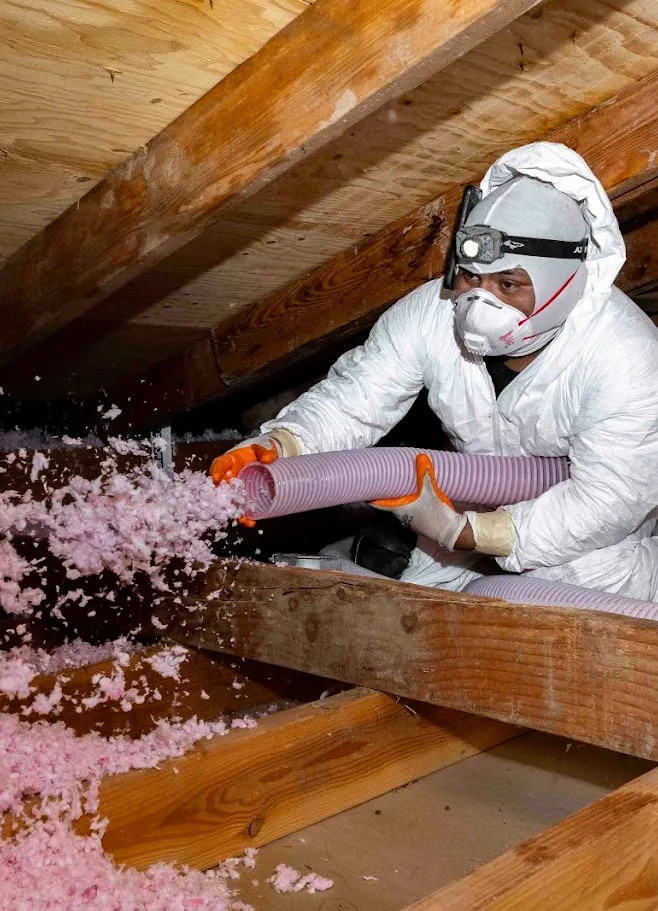
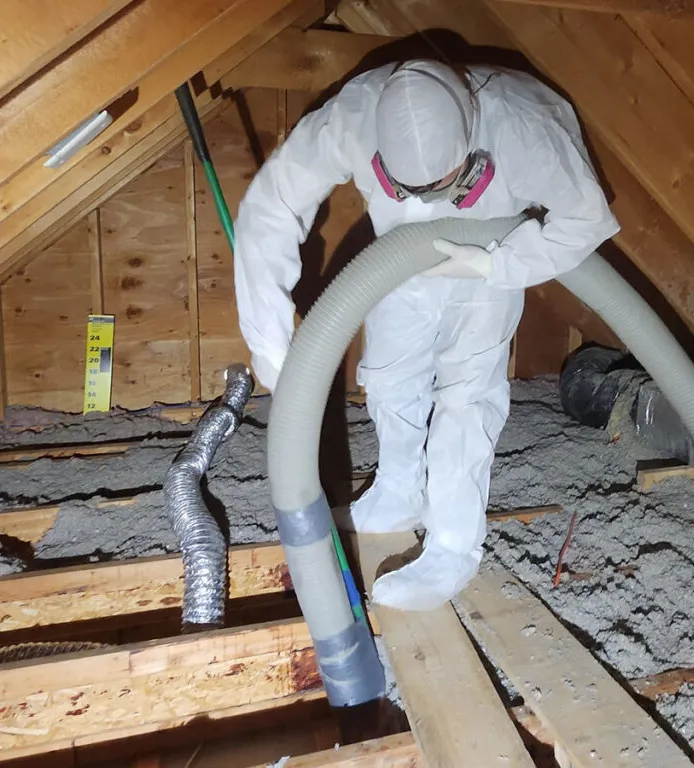
We use commercial vacuums designed for insulation extraction. The material is bagged and removed from your property. We then inspect the attic decking, sanitize if needed, address any air leaks or moisture sources, and install fresh insulation to modern standards.
Neighborhoods and Areas We Serve Across Austin
Central & South Austin
North & Northwest Austin
East & Northeast Austin
West Austin & Hill Country
South & Southwest Austin
Cedar Park & Leander
Fast-growing suburban corridors where new construction often has minimum-code insulation that benefits significantly from upgrades.
Georgetown
Historic homes and new developments alike, with varying insulation needs across different eras of construction.
Frequently Asked Questions About Attic Insulation in Austin
1. How much does attic insulation cost in Austin, TX?
For a typical Austin home (1,500–2,500 sq ft), professional attic insulation installation ranges from $1,500 to $4,500 depending on the material, the amount needed, and whether removal of old insulation is required.
- Fiberglass batts: $1,500–$2,500
- Blown-in fiberglass: $1,800–$3,000
- Blown-in cellulose: $2,000–$3,500
- Spray foam: $4,000–$8,000+
2. What R-value do I need in my Austin attic?
The U.S. Department of Energy recommends R-38 to R-60 for attics in the Austin/Central Texas climate zone. Many Austin homes — especially older ones — have R-19 or less. We typically install to R-38 as a practical minimum and R-49 for maximum efficiency.
3. How long does attic insulation installation take?
Most residential jobs are completed in one day. Larger homes, spray foam applications, or jobs requiring old insulation removal may take two days. We’ll give you a clear timeline before we start.
4. Can I just add new insulation on top of old insulation?
Sometimes, yes — if the existing insulation is dry, uncontaminated, and not severely compressed. We often top off existing fiberglass with blown-in material to reach target depth. However, if the old insulation is damaged, wet, or pest-contaminated, removal is necessary first. We’ll tell you honestly which approach makes sense.
5. Does attic insulation help with soundproofing?
Yes, particularly dense materials like cellulose and spray foam. While the primary purpose is thermal efficiency, insulation does dampen sound transfer from outside — aircraft, traffic, neighbors. If noise is a major concern, we can discuss options that optimize both thermal and acoustic performance.
6. Will insulating my attic make my house too hot in summer?
No — this is a common misconception. Insulation slows heat transfer in both directions. In summer, it keeps attic heat out of your living space. In winter, it keeps conditioned heat from escaping. Proper insulation makes your home easier to cool and easier to heat.
7. Do I need to air-seal my attic if I'm adding insulation?
Yes, and this is critical. Insulation resists heat flow, but it does not stop air leaks. Warm, moist air from your home can still escape through cracks and openings. Air sealing closes those paths. We always recommend air sealing before or alongside insulation installation. Skipping it leaves half the job undone.
8. Can attic insulation grow mold?
Insulation itself doesn’t grow mold, but it can harbor mold if it gets wet. Wet insulation is usually caused by roof leaks, plumbing leaks, or poor attic ventilation leading to condensation. If we find moisture or mold during inspection, we address the source before installing new insulation.
9. Is spray foam worth the extra cost?
It depends on your situation. Spray foam provides the highest R-value per inch and creates an air seal simultaneously. It’s ideal for homes with HVAC equipment in the attic, complex rooflines with limited space, or severe air leakage issues. For standard vented attics with adequate space, blown-in fiberglass or cellulose often delivers excellent results at lower cost. We’ll help you weigh the trade-offs honestly.
10. How do I know if my current insulation is enough?
As a quick rule: if you can see the tops of your ceiling joists through the insulation, you don’t have enough. Joists are typically 6–10 inches tall. You want insulation depth well above them. For a precise assessment, we measure depth, check coverage uniformity, and evaluate condition.
11. Will adding insulation make my attic hotter?
A well-insulated attic with proper ventilation will actually run cooler in summer because less heat is radiating downward into your home — the heat stays closer to the roof deck and vents out. If your attic seems hotter after insulation, it’s usually a ventilation issue, not an insulation issue.
12. Do you offer financing for attic insulation?
We can discuss payment options when you call. Many homeowners find that the energy savings offset a significant portion of the investment within the first year or two.
13. Can I install attic insulation myself?
You can, but there are reasons to hire professionals. Proper air sealing requires knowledge of building science. Blown-in insulation requires commercial equipment. Spray foam requires specialized training. And attics in Austin are dangerously hot for much of the year — heat exhaustion is a real risk. We have the equipment, training, and experience to do it safely and correctly.
14. How does attic insulation affect my HVAC system's lifespan?
By reducing the runtime and strain on your system, proper insulation extends HVAC life. A system that cycles properly and doesn’t run constantly experiences less compressor wear, fewer blower motor issues, and reduced ductwork stress. Many of our customers report fewer repair calls after upgrading attic insulation.
15. Do you insulate attics in commercial buildings?
Yes. We handle commercial attic and roof deck insulation for office buildings, retail spaces, warehouses, and multi-unit properties. Commercial jobs are scoped individually based on building size and insulation type.
16. What happens to my old insulation if it needs to be removed?
We bag it on-site using specialized extraction equipment and dispose of it properly. Contaminated material is handled according to local waste regulations. You don’t need to deal with disposal — we handle everything.
17. Should I insulate my attic before or after replacing my HVAC system?
Ideally, before. If your attic is leaking conditioned air, a new HVAC system will still struggle. Insulating and sealing first means your new system can be properly sized — often smaller and less expensive — because the home’s thermal envelope is doing its job.
18. How soon will I notice a difference after installation?
About Supreme Air Austin Attic Services
Supreme Air Austin is a locally-owned company serving Austin, Texas and surrounding communities since 2010. We started as an air duct cleaning company, and over 15 years, we expanded into attic insulation because our customers kept asking for it. They trusted us with their indoor air quality, and they wanted the same honest, professional approach to their home’s thermal performance.
We’re not a franchise. We’re not a call center in another state. We’re Austin locals who understand that a 100°F day in August isn’t theoretical — it’s what we live through, too.
With 1000+ five-star Google reviews and 15+ years of experience, we’ve worked in attics from Travis Heights to Cedar Park, from Georgetown to Kyle. Every technician is trained in proper installation techniques, ventilation requirements, and safety protocols.
Every job includes:
- Air sealing as part of the insulation system
- Proper material depth and coverage
- Before-and-after documentation
- No-pressure quoting and transparent pricing